Enjoy Free Shipping on Orders Over $99! US Only

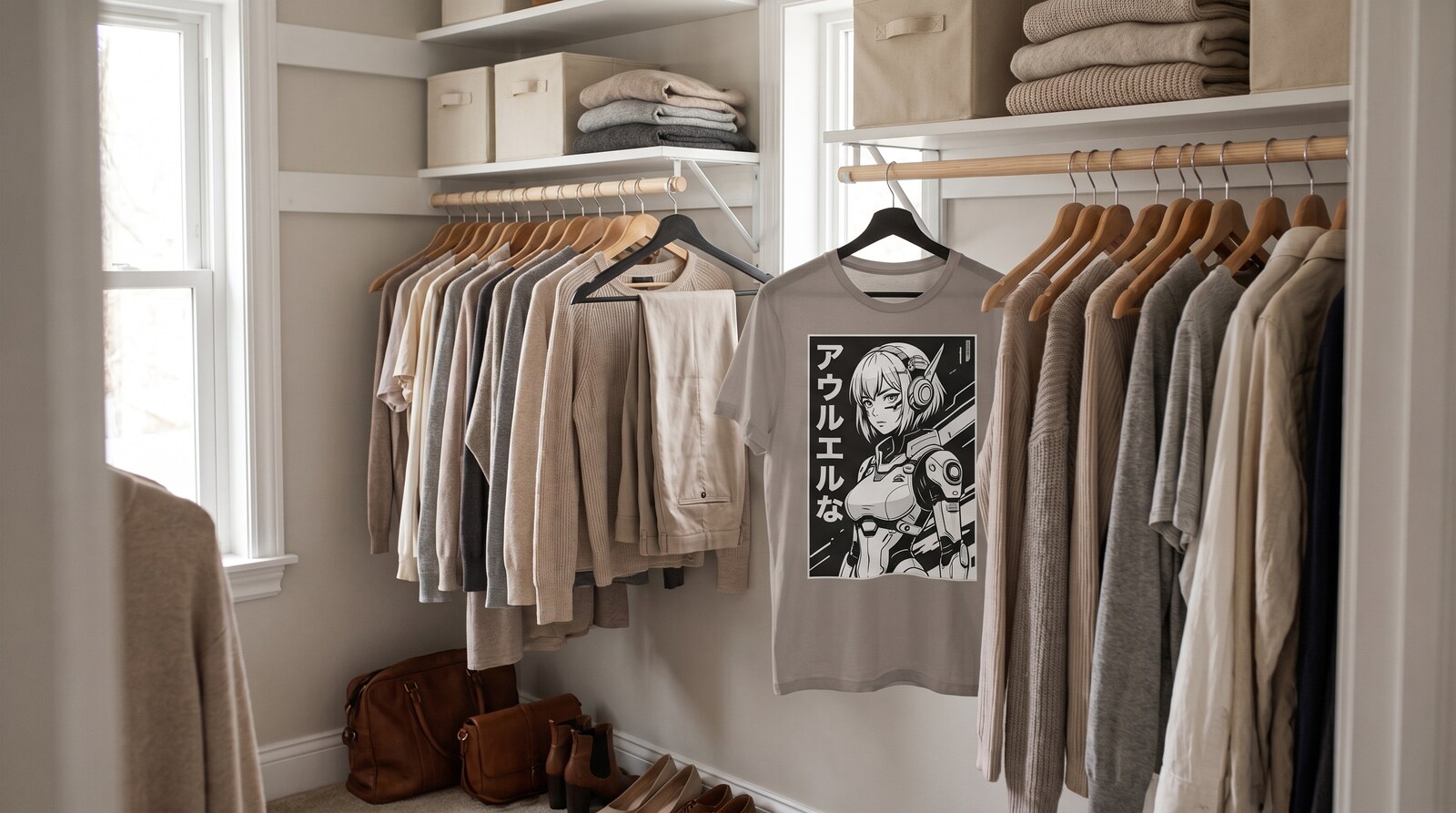
Knowing how to wash, size, and store anime apparel separates rotation pieces from closet fillers.
Knowing how to handle fade resistant prints well separates the rotation pieces from the closet-fillers. Most fan complaints about cheap anime apparel come from one of three mistakes: wrong size, wrong wash, wrong storage. The pieces themselves are often fine.
Sizing right beats sizing safe every order.
The 30-second pitch
Why this matters for anime fans
Sizing right and washing right are the two skills that pay off most in long-term wardrobe value. Both take under five minutes to learn.
Most fan complaints about cheap anime apparel come from one of three mistakes: wrong size, wrong wash, wrong storage. The pieces themselves are often fine.
How to approach fade resistant prints
- 1. Pair with one neutral. A bold graphic on top works best with one quiet piece below – solid bottoms, plain sneakers, or a single neutral layer.
- 2. Skip the dryer when possible. Heat is the print killer. Air dry or low tumble preserves vibrancy across many washes.
- 3. Wash inside out, cold water. Reduces print abrasion by 80% over the lifetime of a tee. Single most impactful habit.
- 4. Try before going public. Test a new piece at home or on a low-stakes day before committing to it for a major event or photo session.
- 5. Read the care label, every time. Every garment has slightly different recommendations. A 30-second read prevents a costly mistake.
- 6. Build for repeat wear. A piece you’d wear at least twice a month earns its place. Less than that and it’s an impulse buy.
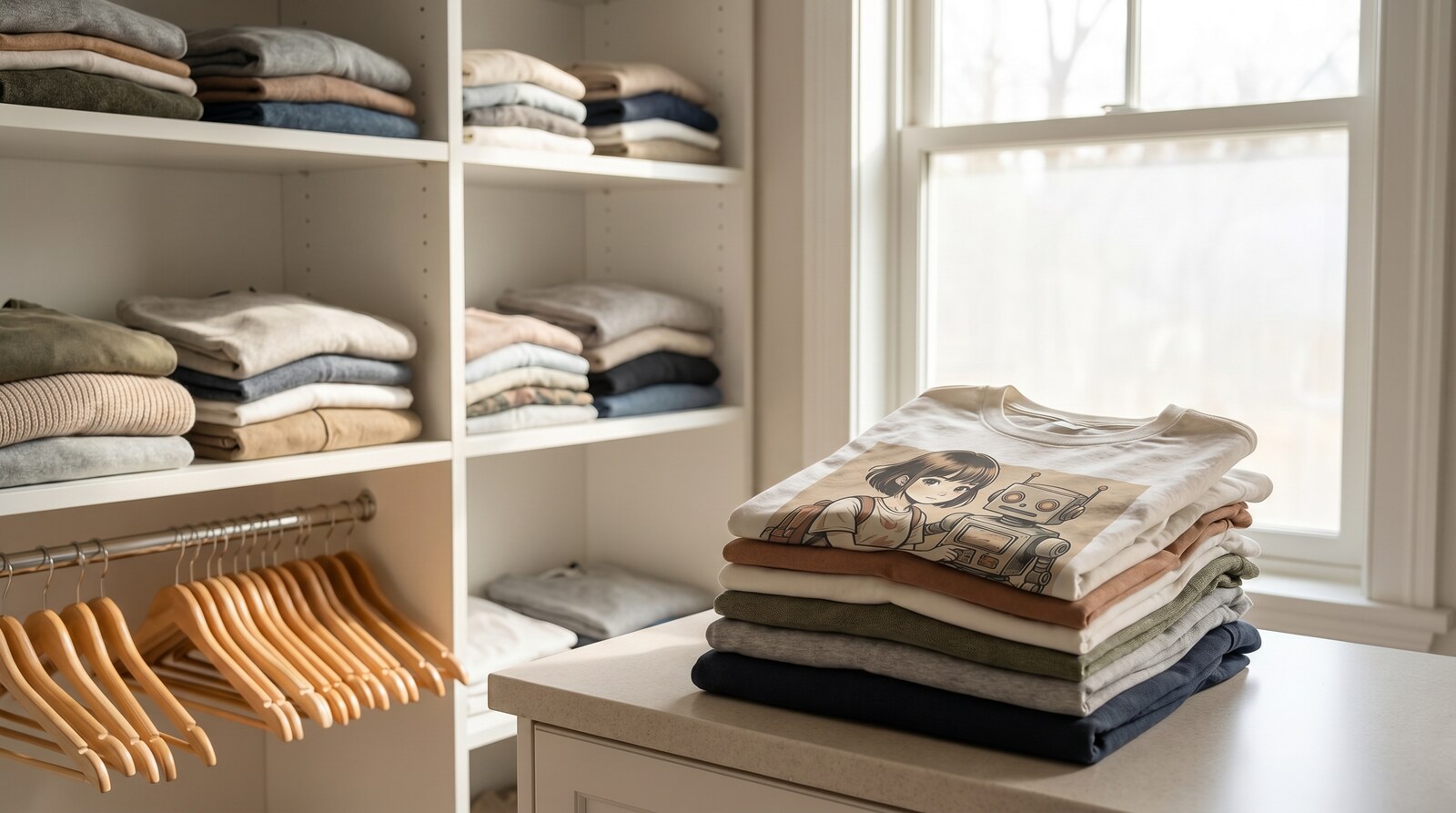
- 7. Store folded, not hung. Hanging stretches shoulders over time and creates marks. Folded flat in a drawer maintains shape much longer.
Practical tips that actually work
- Wash inside out, cold water. Reduces print abrasion by 80% over the lifetime of a tee. Single most impactful habit.
- Read the care label, every time. Every garment has slightly different recommendations. A 30-second read prevents a costly mistake.
- Store folded, not hung. Hanging stretches shoulders over time and creates marks. Folded flat in a drawer maintains shape much longer.
- Measure your favorite tee. Use the dimensions of a tee that fits perfectly as your size reference for new orders. Beats size labels for accuracy.
- Skip the dryer when possible. Heat is the print killer. Air dry or low tumble preserves vibrancy across many washes.
Mistakes to skip
- Using fabric softener on graphic tees. Softener coats fibers and breaks down prints over many washes. Skip it entirely for graphic pieces.
- Buying without checking the size chart. Brand sizing varies wildly. Always check the chart against a piece that fits.
- Tumble drying on high. Heat is what kills prints faster than anything. Low or air dry only for any garment you want to last.
Where to find what’s mentioned above
Anime fans usually know what they want – the harder part is knowing where to look. These curated collections cover the categories referenced throughout this guide:
Frequently asked questions
Can I iron over an anime graphic? Avoid direct iron contact with the print. Turn inside out or use a press cloth between iron and print to prevent melting or cracking.
Why are my anime tees fading after a few washes? Most likely hot water or dryer heat. Switch to cold inside-out washing and air drying. Print should hold up 50+ washes minimum.
Should I dry-clean anime apparel? Rarely necessary. Standard cold wash + air dry handles 95% of pieces. Dry-cleaning chemicals can stress prints; use only when the label specifies.
How do I know what fabric weight to buy? 180 GSM and below = light, breathable, summer. 200-260 GSM = standard year-round. 280+ GSM = heavyweight, fall/winter, longer life.
How do I check a brand’s quality before ordering? Look for stated GSM weight, named print method (sublimation, DTG), clear size chart with measurements, and return policy details. All four indicate quality.
One closing tip
The fastest way to upgrade a rotation is to remove one underperforming piece for each new one added. Quality beats quantity every time the closet door opens.
